The Hidden Life of Small Rocks
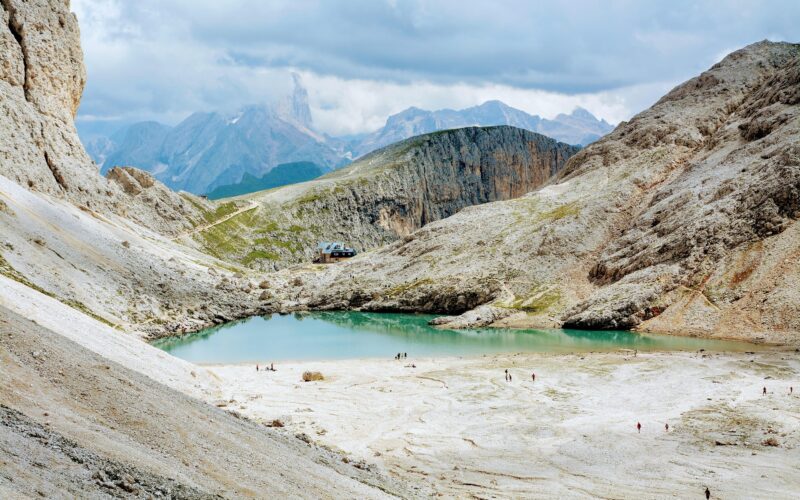
When you walk along a riverbank or stroll down a gravel path, it is easy to dismiss the scattered pebbles underfoot as mere debris. These fragments of earth are often ignored or casually kicked aside, yet they hold a profound significance that stretches across time and human development. Every small rock has a grand origin story, having been gradually chipped away from massive boulders and mountain peaks by the relentless forces of wind, water, and ice. This natural process of weathering transforms imposing geological formations into manageable pieces that have quietly shaped the course of human history.
The geological journey of a humble pebble
Long before a small stone is ever used by human hands, it undergoes a remarkable journey of transformation and endurance. Mountains are subjected to freezing temperatures and powerful storms, causing rocks to crack and splinter into smaller fragments over millions of years. Rivers and streams then catch these broken pieces, tumbling them against one another until their jagged edges become smooth and rounded. By the time a pebble reaches a riverbed or a shoreline, it has already travelled vast distances and survived extreme environmental conditions. This rigorous natural refining process creates the durable and versatile stones that form the bedrock of both natural ecosystems and human engineering.
Building ancient civilisations from the ground up
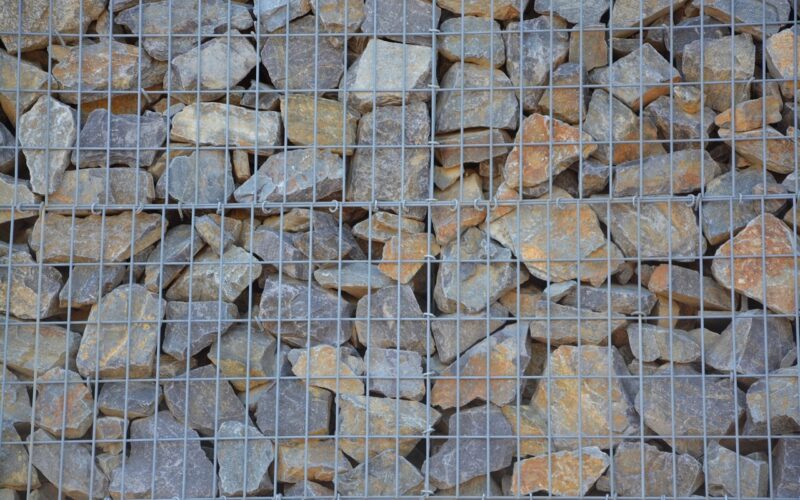
The utilisation of these modest rocks marks a pivotal turning point in human evolution and societal advancement. Early humans recognised the value of small, hard stones, fashioning them into essential tools for hunting, gathering, and crafting. As nomadic tribes transitioned into settled agricultural communities, rocks took on a new architectural purpose. Ancient builders gathered fieldstones and river rocks to construct walls, pave early trade routes, and build durable shelters that could withstand harsh weather. The foundations of mighty empires, from the sprawling roads of the Roman Empire to the enduring stone monuments of early Britain, were heavily reliant on the strategic accumulation of these unassuming geological fragments.
The crucial role of aggregates in modern construction
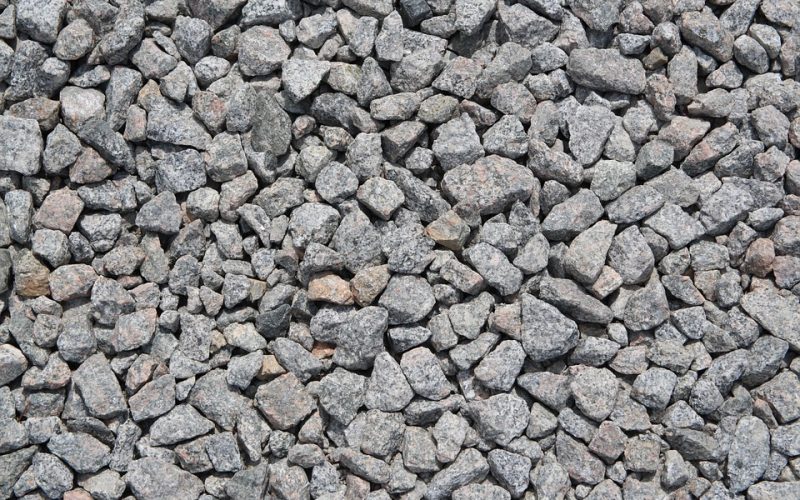
Fast forward to the modern era, and the dependence on small rocks has only intensified, forming the literal foundation of contemporary urban development. Today, crushed stone, gravel, and sand are collectively known as aggregates, and they are the most mined materials on the planet. These tiny rocks are the primary ingredient in concrete and asphalt, the lifeblood of modern construction and infrastructure. Without a constant supply of these aggregates, it would be entirely impossible to construct the massive highway networks, bridges, and transport systems that connect global populations.
Raising the skylines of tomorrow
The most visually striking application of these small rocks can be seen reaching towards the clouds in major cities around the globe. Skyscrapers, with their sleek glass facades and towering steel frames, rely fundamentally on the incredible compressive strength of concrete, which is bound together by countless pieces of crushed stone. The sheer volume of aggregate required to build a single high-rise building is staggering, often amounting to tens of thousands of tonnes. Therefore, the majestic skylines of cities like London, New York, and Dubai are quite literally held aloft by the collective strength of billions of tiny, crushed rocks working in unison.
A lasting legacy written in stone
The next time you pick up a smooth stone to skip across a tranquil lake, take a moment to consider its extraordinary journey and immense potential. The hidden life of small rocks is a testament to the quiet power of nature and the ingenuity of human innovation. From the earliest primitive tools to the soaring heights of modern skyscrapers, these fragments of earth remain the unsung heroes of our built environment. They remind us that the most monumental achievements of human civilisation are firmly rooted in the smallest and most ordinary elements of the natural world.