Surrounded by Aggregates
Aggregates are granular materials used as foundational components in construction. Sand, gravel, crushed stone, and dried aggregates all fall under this category. These materials are combined with binding agents like cement or bitumen to create concrete, mortar, and asphalt — the backbone of virtually every structure we build. Without them, modern construction as we know it would simply not exist.
The different types of aggregates
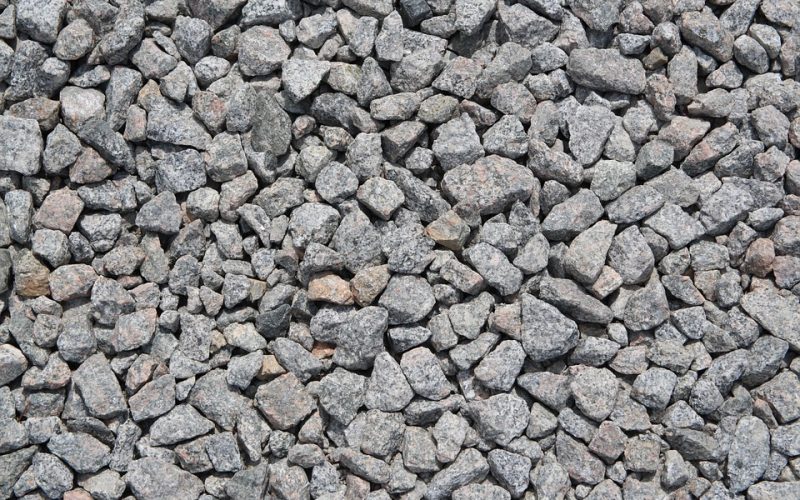
Aggregates are broadly divided into two categories: fine and coarse. Fine aggregates, such as silica sand and dried aggregates, have smaller particle sizes and are typically used in applications that require a smooth finish or precise binding. Coarse aggregates — gravel and crushed rock — provide bulk and structural strength. Each type serves a distinct purpose, and selecting the right one for a given project can make the difference between a structure that lasts decades and one that fails prematurely.
Why dried aggregates matter
Moisture content plays a critical role in construction quality. Excess water in aggregates can alter the water-to-cement ratio in concrete mixes, leading to weaker structures and unpredictable setting times. Dried aggregates address this problem directly. By reducing moisture to controlled levels, they allow engineers and builders to produce consistent, high-strength concrete mixes with greater reliability. This consistency is particularly valuable in large-scale infrastructure projects, where even minor variations in material quality can have significant consequences.
The role of silica sand in construction
Silica sand is one of the most widely used fine aggregates in the construction industry. Composed primarily of silicon dioxide, it offers excellent durability, chemical stability, and uniform particle distribution. These properties make it ideal for use in concrete production, plastering, and flooring compounds. Beyond structural applications, silica sand is also used in glass manufacturing and filtration systems, reflecting just how versatile this naturally occurring material truly is. Its consistent grain size ensures that mixes remain workable and that finished surfaces achieve the desired texture and strength.
Aggregates and sustainable construction
As the construction industry faces growing pressure to reduce its environmental footprint, aggregates are coming under closer scrutiny. Quarrying and extraction can have significant ecological impacts, prompting a shift towards recycled aggregates made from demolished concrete and construction waste. Recycled materials now play a meaningful role in low-load applications such as road sub-bases and drainage layers. While they may not yet match the performance of virgin aggregates in high-strength concrete, ongoing research continues to close that gap — making sustainable aggregate sourcing an increasingly viable option for forward-thinking builders.
Quality control and compliance
The performance of any aggregate depends heavily on its quality. Particle size distribution, cleanliness, and moisture content must all meet specified standards before materials are approved for use on site. In the UK, aggregates used in construction are governed by British and European standards, including BS EN 12620 for concrete aggregates. Rigorous testing ensures that materials like dried aggregates and silica sand meet the mechanical and chemical requirements of the project at hand. Cutting corners at this stage can compromise structural integrity and lead to costly remediation down the line.
Building on solid ground
Aggregates may lack the visual prominence of glass facades or steel frameworks, but their contribution to construction is immeasurable. From the silica sand that strengthens a concrete floor to the dried aggregates that ensure a reliable mix on a high-rise project, these materials form the quiet foundation of the built environment. Understanding their properties, applications, and quality requirements is essential knowledge for anyone working in construction — because every great structure begins with what lies beneath.