How Sand and Rock Become Essential Building Materials
The modern built environment relies heavily on a constant supply of foundational materials, specifically sand, gravel, and crushed rock. These natural resources form the literal bedrock of our infrastructure, providing the essential ingredients for roads, bridges, homes, and commercial buildings. Far from being a simple matter of digging dirt out of the ground, the extraction and processing of these aggregates involves a highly systematic and heavily regulated series of operations. Understanding the journey from solid bedrock to functional construction material reveals the immense scale and technical precision required to support global development.
The initial extraction process
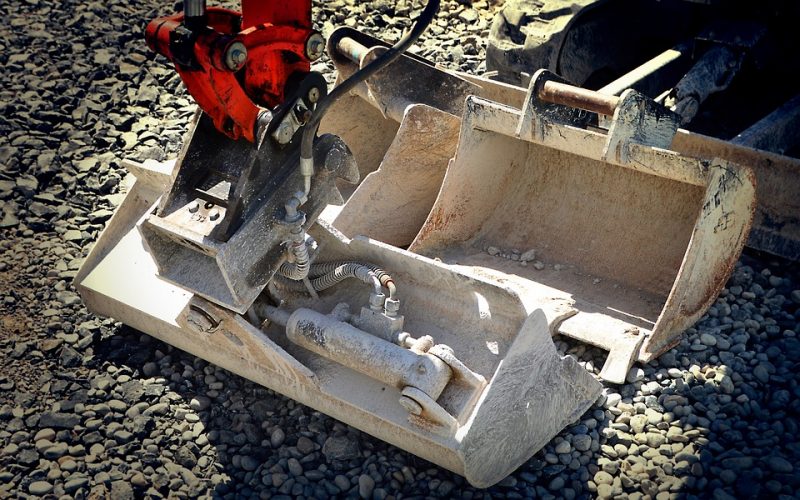
The lifecycle of construction aggregate begins with the careful surveying and preparation of a quarry site. Geologists and engineers conduct extensive tests to determine the quality and quantity of the underlying rock formations. Once a site is deemed viable, the extraction process typically involves controlled blasting to fracture the solid rock face into manageable pieces. Experts carefully calculate the placement and charge of explosives to minimise noise, vibration, and environmental impact. Following the blast, heavy machinery, including massive wheel loaders and hydraulic excavators, moves in to transport the fragmented rock from the quarry face to the primary processing area.
Crushing and reducing the rock
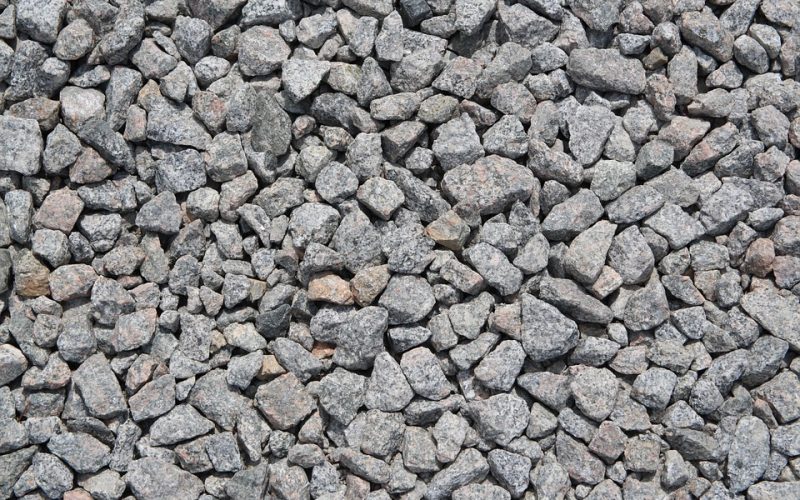
Upon reaching the processing plant, the raw rock undergoes a rigorous series of crushing stages designed to reduce its size. The primary crusher, often a jaw or gyratory crusher, breaks the large boulders into smaller, uniform chunks. These pieces then travel along extensive conveyor belts to secondary and tertiary crushers, which refine the material further. Cone crushers and impactors are frequently employed at this stage to shape the stone and achieve the specific dimensions required for various construction applications. This multi-stage reduction process ensures that the final product meets strict engineering specifications for strength and durability.
Screening and sorting the aggregates
After the rock has been crushed to the appropriate sizes, it must be meticulously sorted. This is achieved through a screening process where the material passes over vibrating inclined decks fitted with wire mesh of varying apertures. As the crushed stone moves across these vibrating screens, smaller particles fall through the gaps, whilst larger pieces continue to the next crushing stage or are diverted to specific stockpiles. This precise sorting mechanism allows quarry operators to separate the materials into distinct categories, ranging from coarse gravel suitable for drainage systems to fine rock dust used in asphalt production.
The crucial role of sand processing
Whilst crushed rock forms the bulk of quarry output, the production of sand is equally vital. Natural sand is often extracted alongside gravel, but manufactured sand is also produced by crushing rock into extremely fine particles. This material undergoes a washing process to remove clay, silt, and other unwanted impurities that could compromise the integrity of concrete mixtures. High-capacity water classifiers and cyclones scrub the sand grains, ensuring they meet the stringent cleanliness standards required by the construction industry. The resulting clean sand is a non-negotiable component in creating strong, lasting concrete and mortar.
Environmental management and site rehabilitation
Modern quarrying operations are bound by stringent environmental regulations designed to minimise their ecological footprint. Operators employ sophisticated dust suppression systems, such as water sprays and enclosed conveyor belts, to maintain local air quality. Water used in the washing processes is typically captured, treated, and recycled within a closed-loop system to conserve this vital resource. Furthermore, quarry operators plan for the end of the site's lifespan from the very beginning. Once extraction is complete, the land undergoes comprehensive rehabilitation. Former quarries are frequently transformed into wildlife habitats, recreational lakes, or public parks, ensuring the land serves a valuable purpose long after the rock has been harvested.